
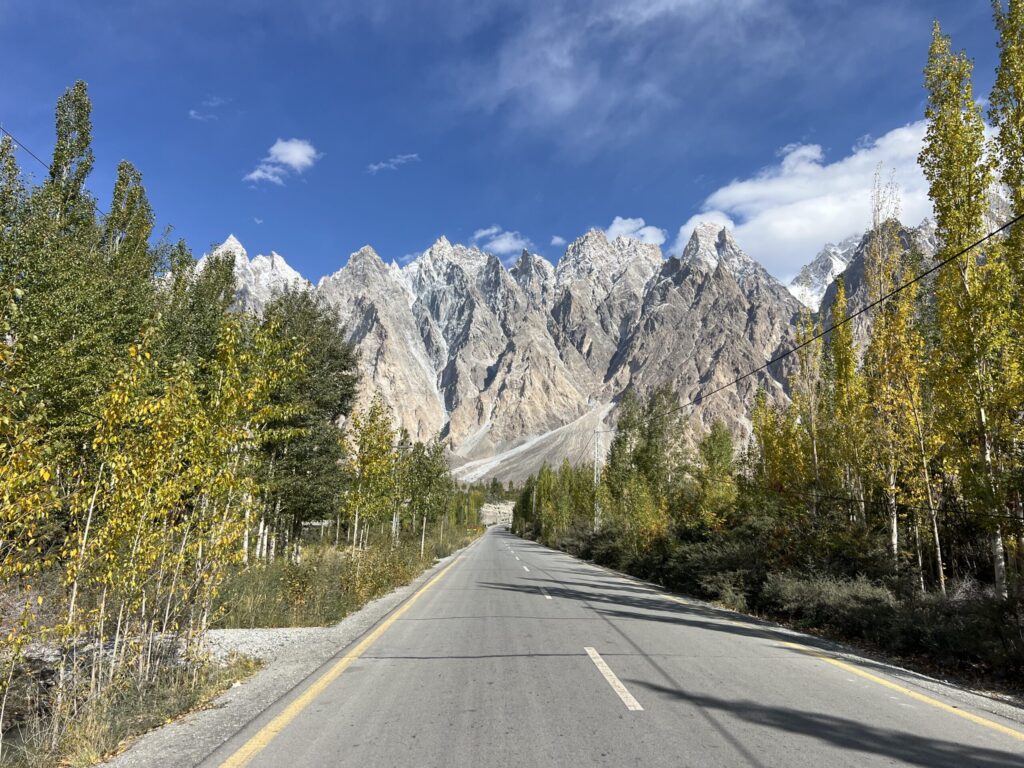
Northern Pakistan is nature at its most dramatic – raw, timeless and full of quiet wonders.
Travel through soaring mountain ranges where the Karakoram, Himalaya and Hindu Kush converge. Hike through glacier-fed valleys, cross swaying suspension bridges and watch the sunset over snow-capped giants.
We show you Northern Pakistan’s most dramatic landscapes – personally curated, with hand-picked accommodation and an experienced guide at your side.
Highlights at a Glance
Our Programme
Between the Himalaya and Karakoram
13 days through the most dramatic mountain landscapes on earth. Three of the world’s highest mountain systems, ancient Silk Road forts and peaks above 8,000 metres.
The programme is displayed without fixed prices. Every journey is tailored individually to your wishes and travel dates. Get in touch – we will create a personal proposal for you.
Islamabad → Skardu (flight)
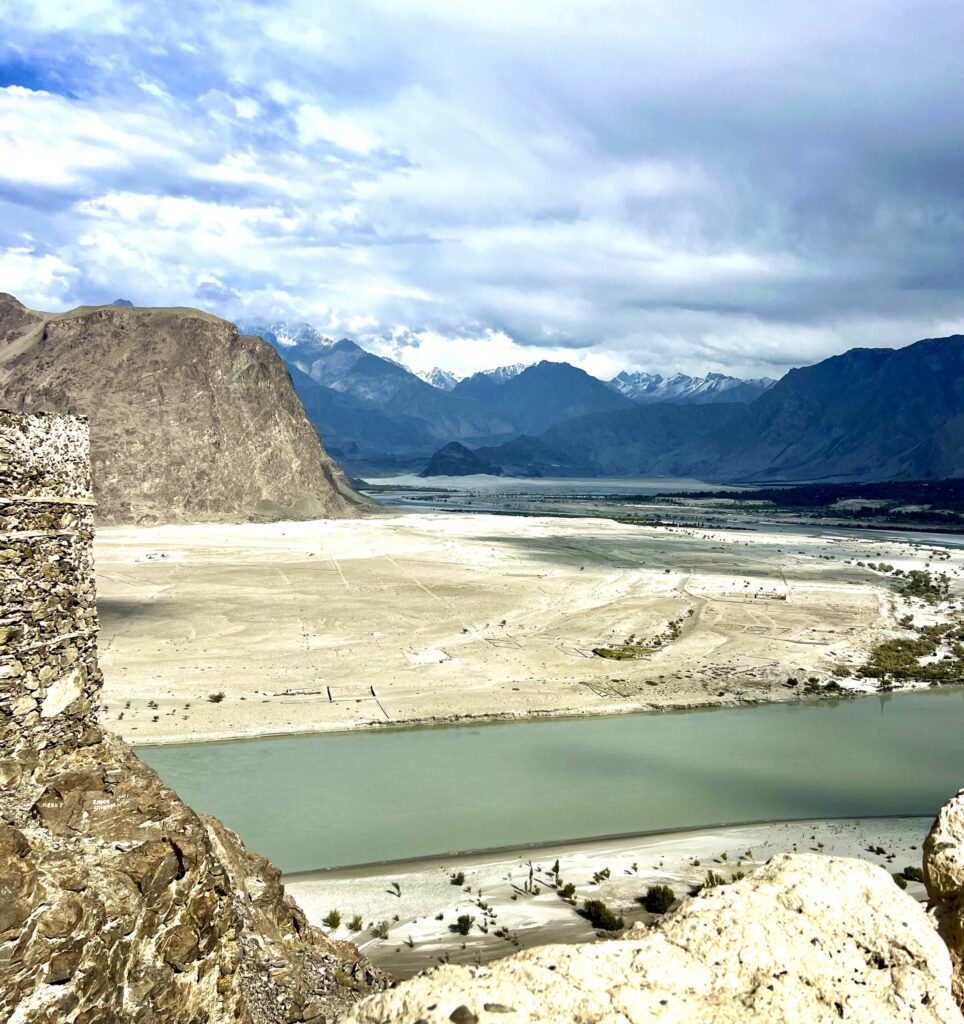
Flight from Islamabad to Skardu – in clear weather, one of the most spectacular flights in the world: Nanga Parbat (8,126 m) and K2 (8,611 m, the world’s second highest mountain) from a bird’s eye view. Arrival in Skardu, the capital of Baltistan. Visit to Kharpocho Fort with panoramic views over the Indus. Skardu Bazaar.
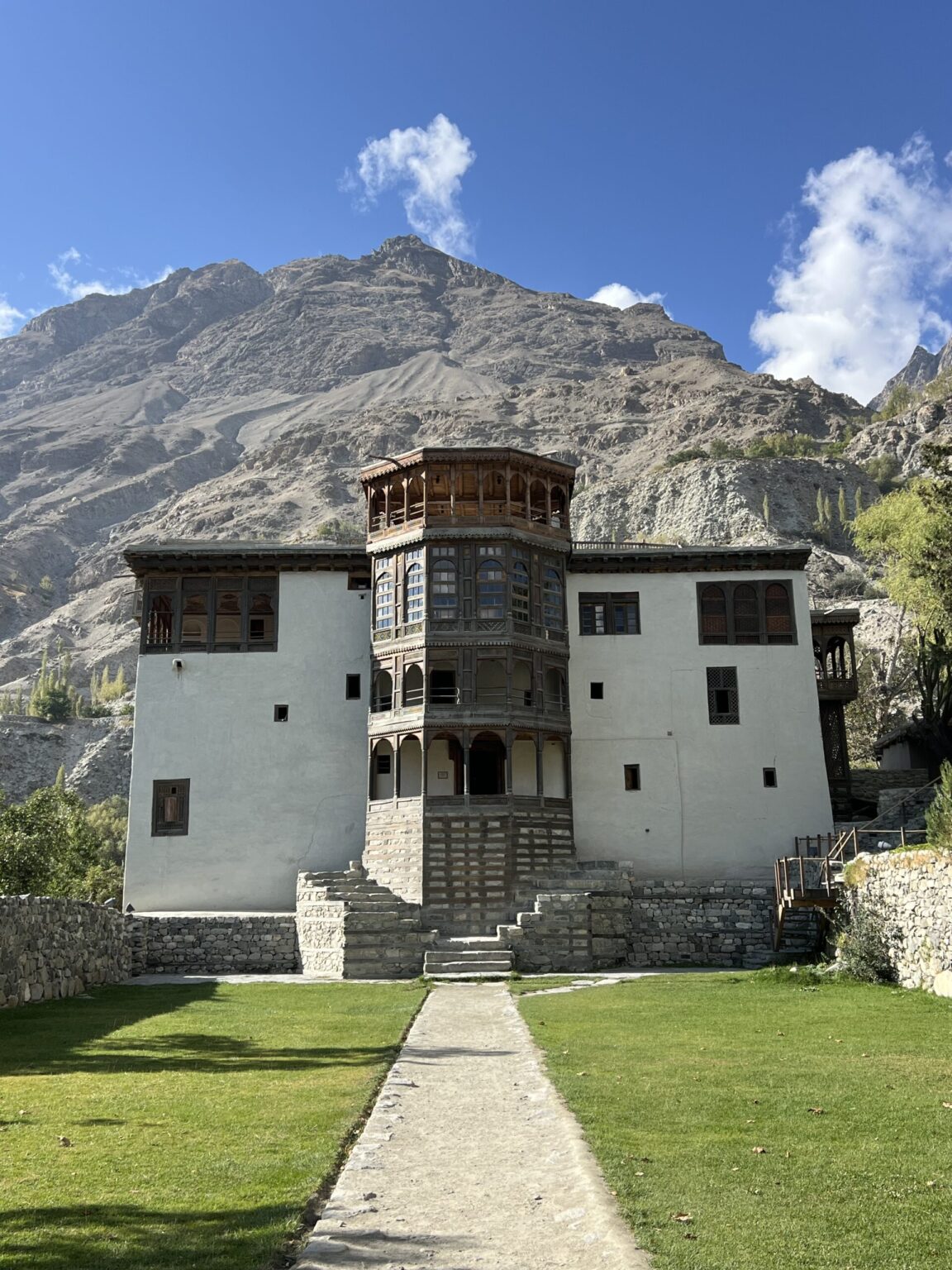
Skardu → Khaplu
Drive through the Shyok Valley to Khaplu. The Khaplu Palace – a magnificent 19th-century wooden palace, now restored and open to visitors. The Chaqchan Mosque is over 700 years old and is one of the most significant Islamic buildings in the region.
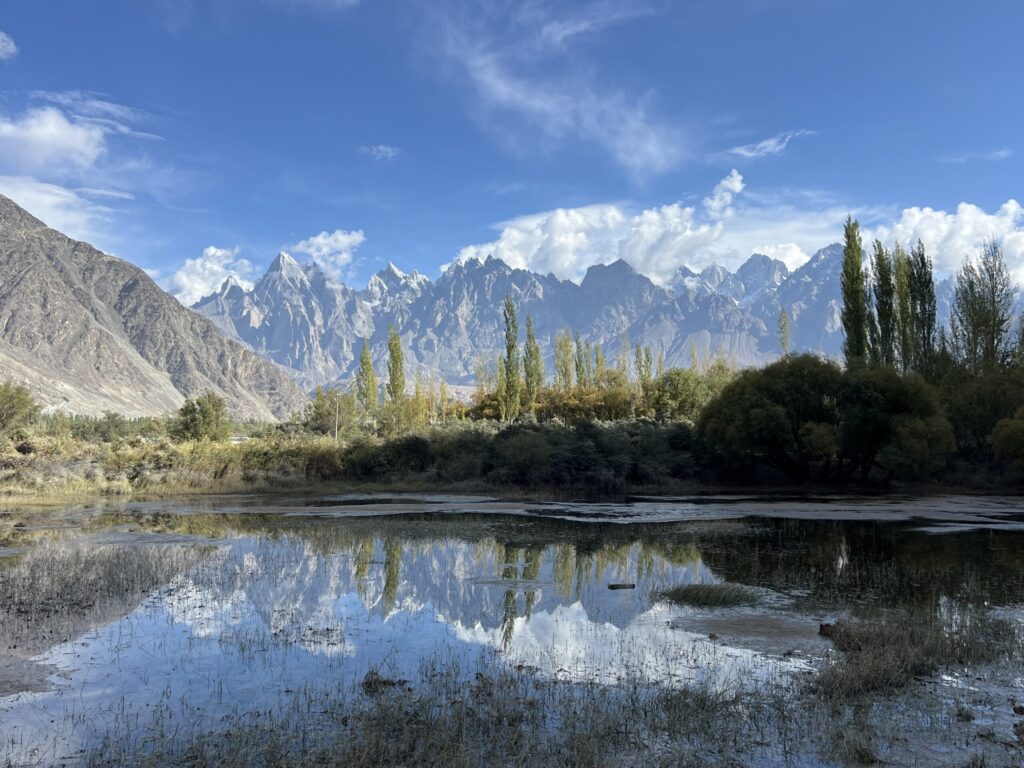
Machulo Valley
Drive into the Machulo Valley at 2,650 m altitude. Visit to Khanqah-e-Mualla – an ancient Sufi shrine. Mountain hike to the Tauqseqar viewpoint (3,000 m) with views of Masherbrum (7,821 m) – one of the most impressive peaks in the Karakoram.
Khaplu → Shigar
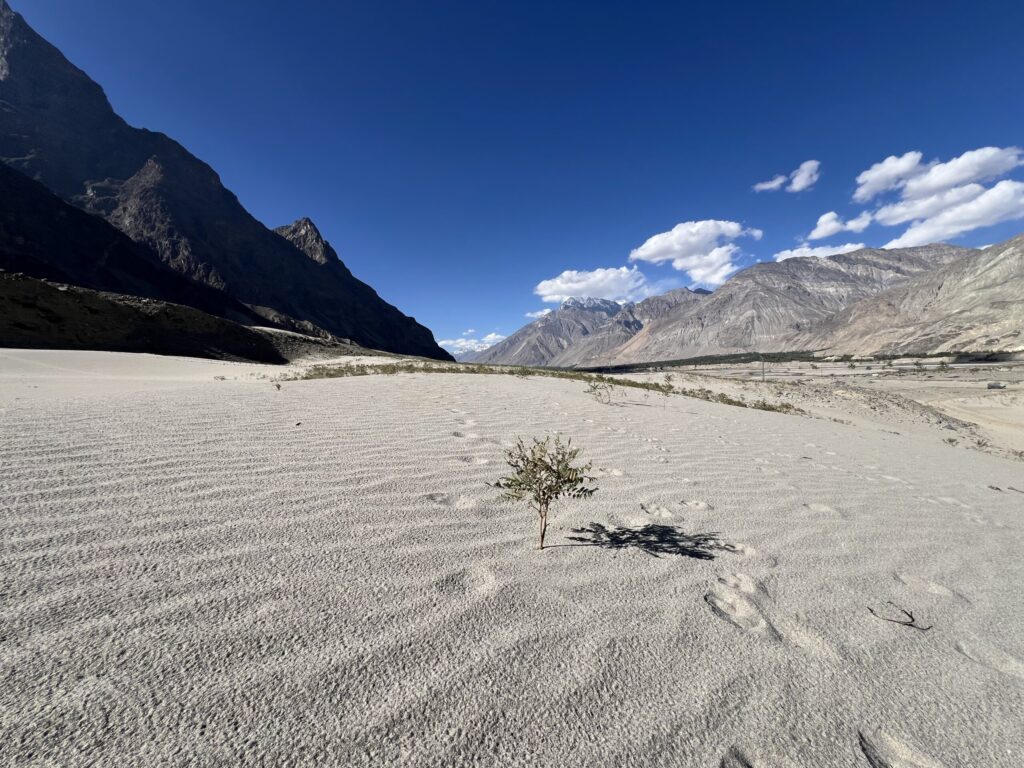
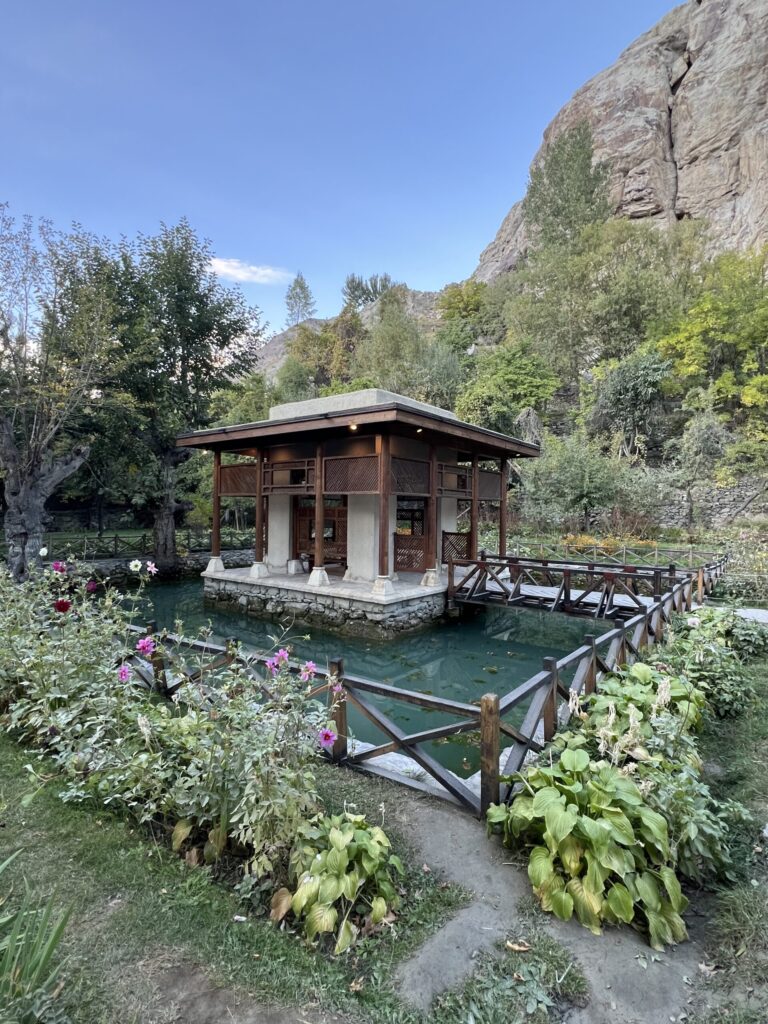
Drive to Shigar through the Sarfaranga Cold Desert – at 2,226 m one of the world’s highest deserts, barren and of surreal beauty. Visit to the Hashupi Gardens – a green refuge in the rocky wilderness.
Shigar
River walk along the Shigar River – with views of snow-capped peaks. Visit to Kari Dong Fort perched on a rock above the valley. The Amburiq Mosque is over 500 years old and is on the UNESCO Tentative List.
Shigar → Hunza Valley
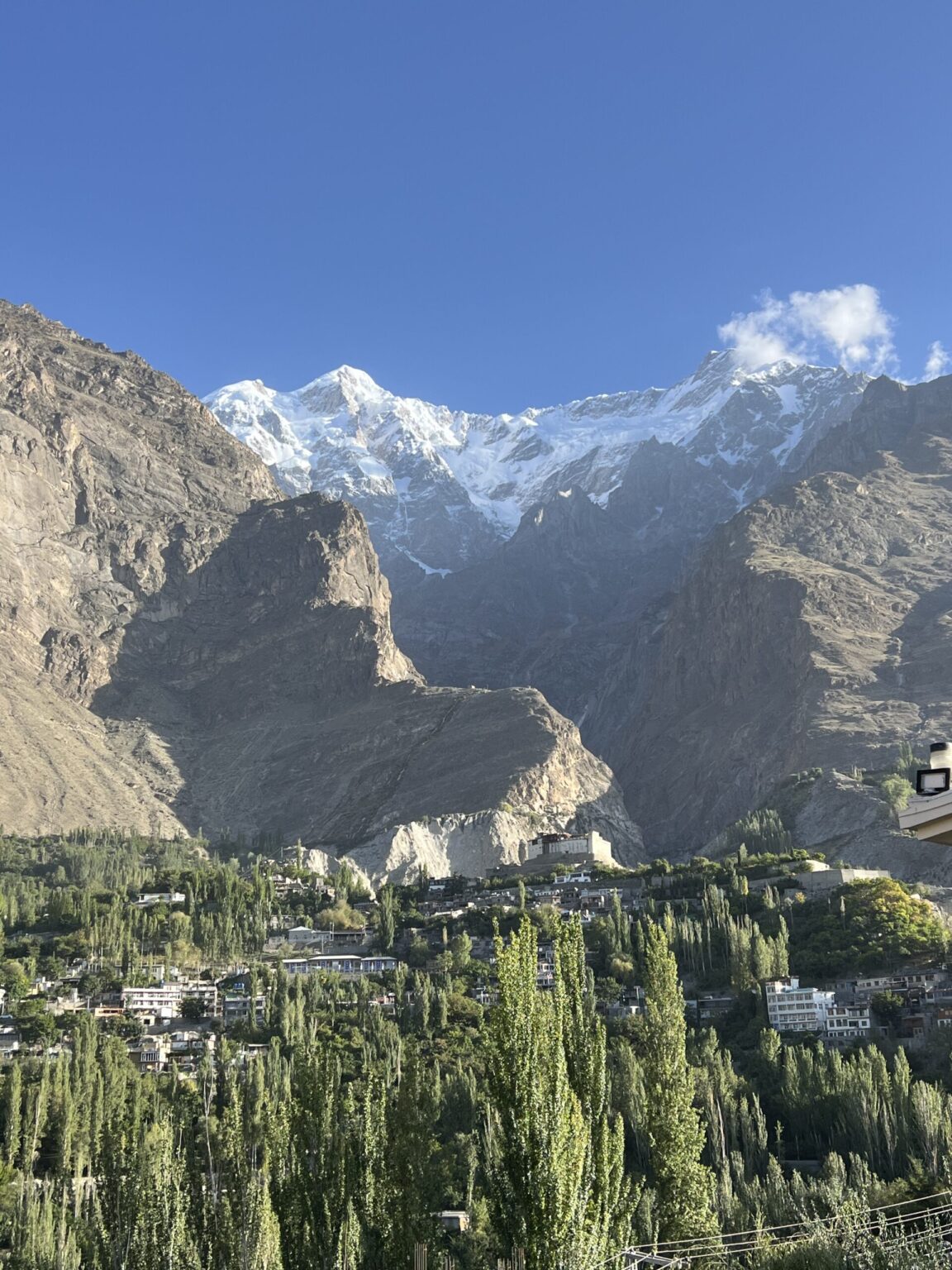
Drive to Karimabad in the Hunza Valley – one of the most beautiful valleys on earth (350 km, approx. 7 hrs). En route: viewpoint over Nanga Parbat, the „naked mountain“ (8,126 m), and Rakaposhi (7,788 m), whose north face drops almost vertically for 6,000 m – a sight that leaves you speechless.
Karimabad: Baltit Fort & Altit Fort
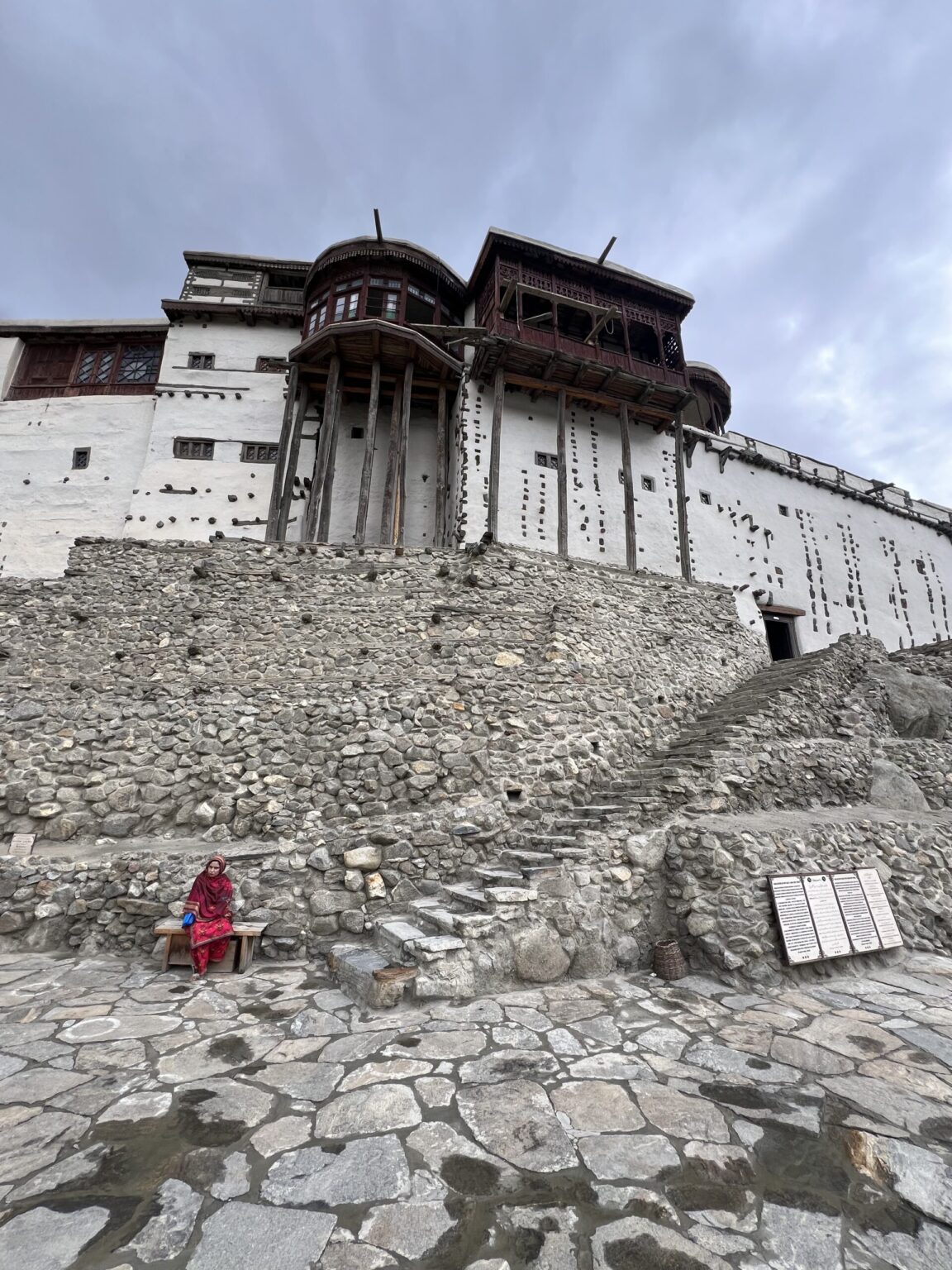
Baltit Fort has overlooked Karimabad for 800 years – restored and offering breathtaking views over the Hunza Valley and the surrounding 7,000-metre peaks. The even older Altit Fort perches on the edge of a gorge. Evening: sunset at the Duiker viewpoint at 3,000 m – Himalaya and Karakoram in one frame.
Gulmit → Passu → Hussaini Suspension Bridge
Drive to Passu with views of the „Passu Cones“ – bizarre rock spires rising from the glacier. The Hussaini Suspension Bridge: narrow wooden planks over the rushing Hunza River – one of the most adventurous bridges in the world. Attabad Lake was created by a 2010 landslide and glows turquoise.
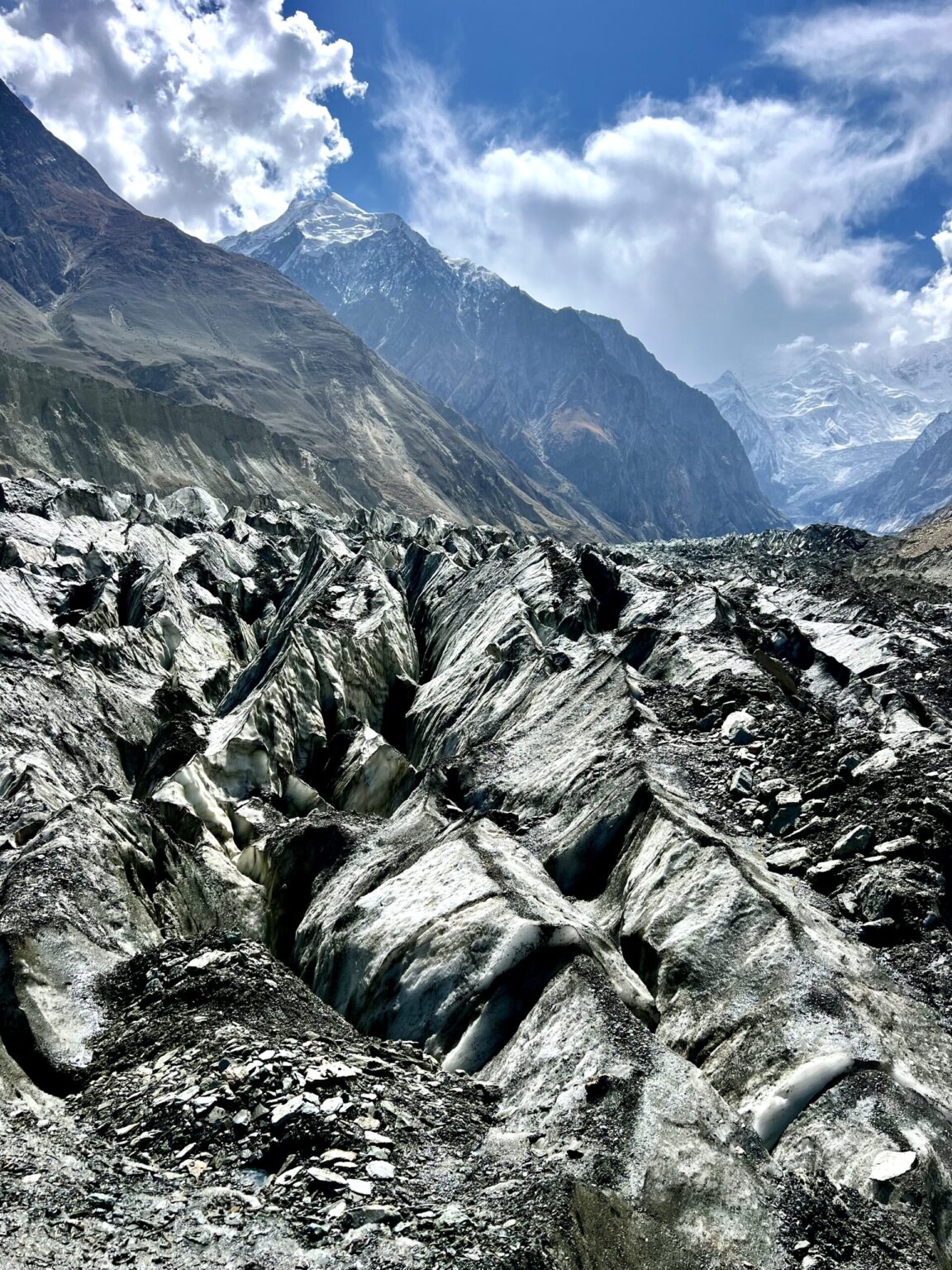
Hopper Glacier → Ganish → Gilgit
Walk to Hopper Glacier – one of the few glaciers in the world that is still growing. Ganish Heritage Village: one of the oldest surviving Silk Road villages, with watchtowers, prayer wheels and ancient inscriptions. Continue to Gilgit.
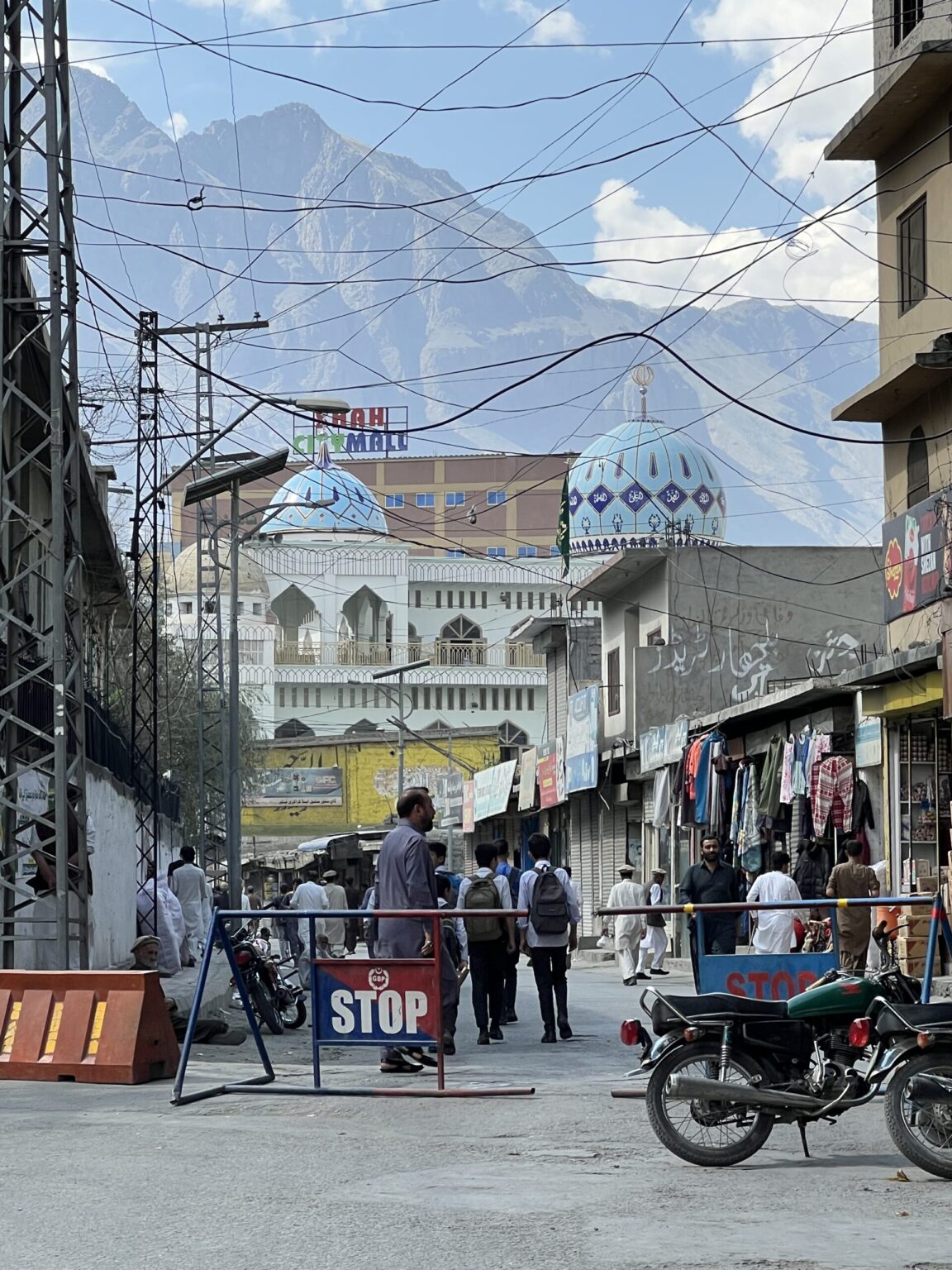
Gilgit
Gilgit sits at the intersection of three mountain systems and was for centuries a central trading hub on the Silk Road. Visit to the Kargah Buddha – a 7-metre rock carving from the 7th century. Gilgit Bazaar: authentic, unplanned and fascinating.
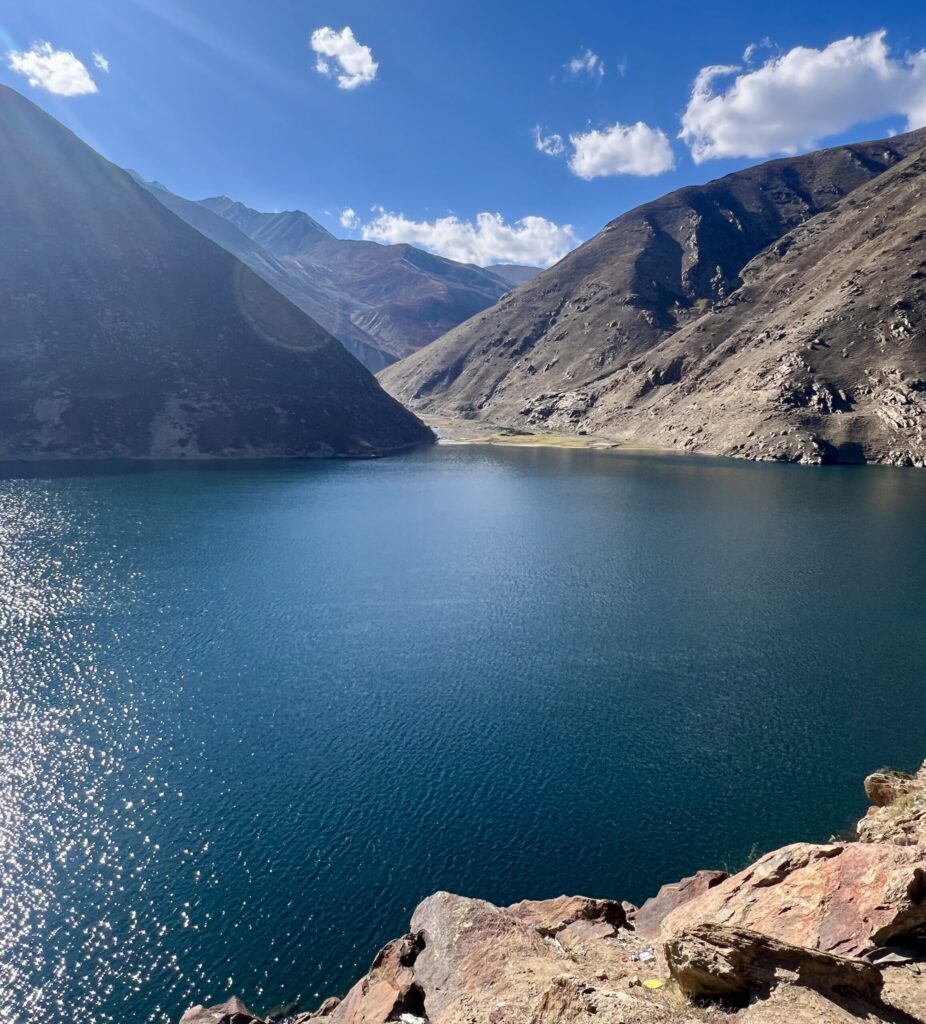
Gilgit → Babusar Pass → Naran
Crossing the Babusar Pass at 4,173 m – one of Pakistan’s most spectacular mountain passes with views of the snow-capped peaks of the Hindu Kush. Lulusar Lake lies at 3,400 m and mirrors the surrounding mountains.
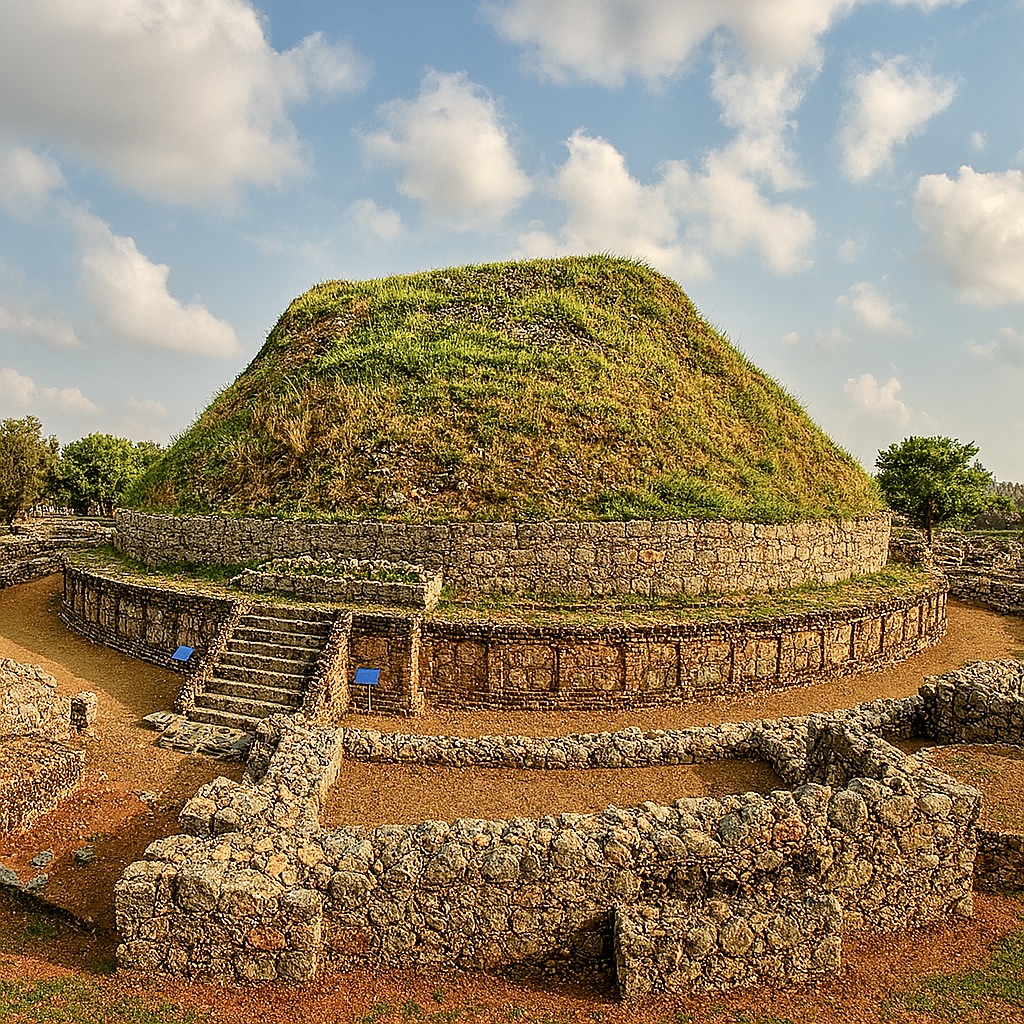
Naran → Taxila → Islamabad
Drive to Taxila – one of Asia’s most significant archaeological complexes (UNESCO). Here Greek, Buddhist and Persian cultures merged into a unique Gandhara art. Continue to Islamabad: the Faisal Mosque, one of the world’s largest mosques, and the Pakistan Monument.
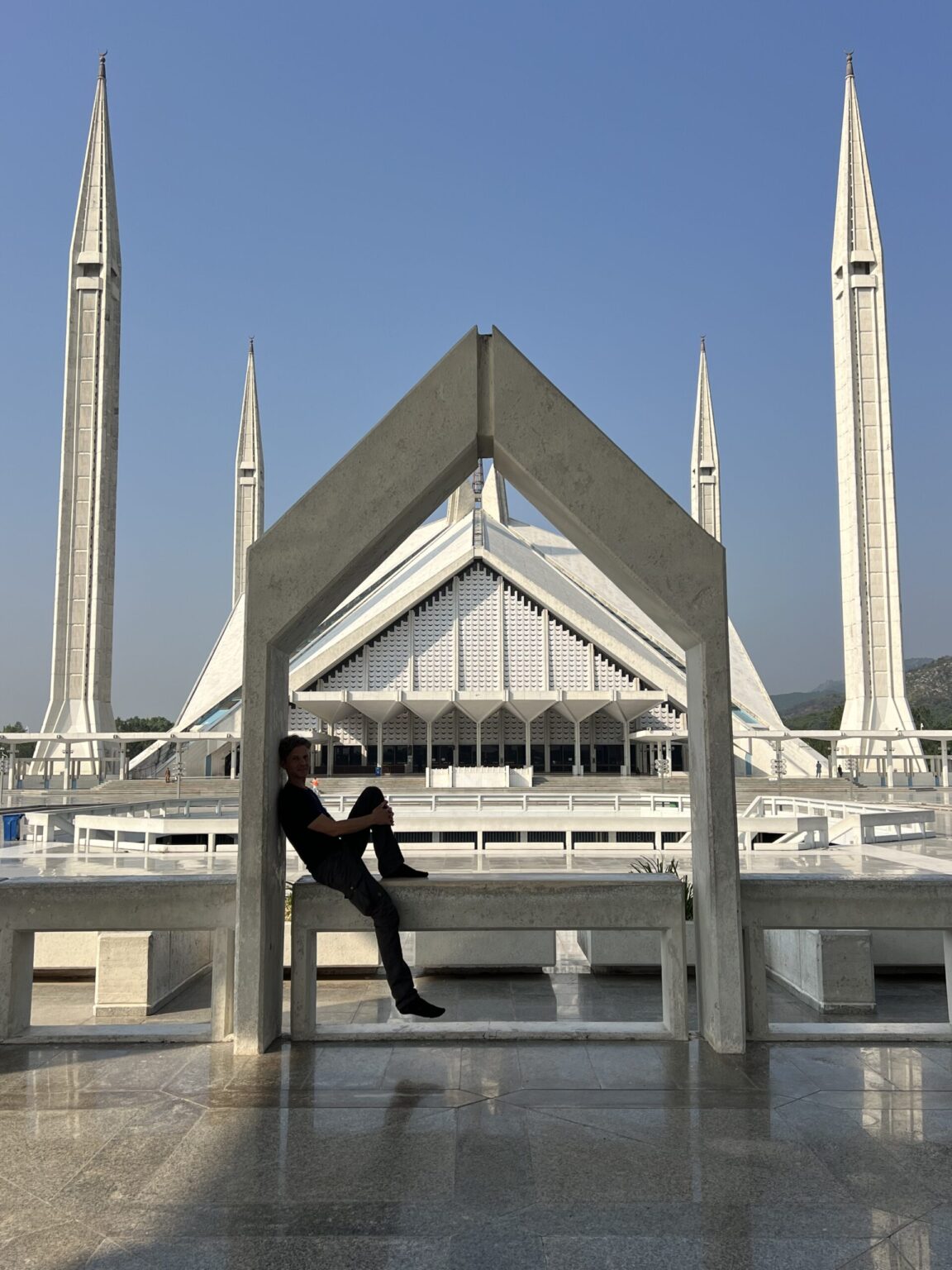
Departure
Transfer to Islamabad Airport. Northern Pakistan leaves a vivid picture: peaks above 8,000 metres, centuries-old forts, the silence of the glaciers.
Important Notes
- Northern Pakistan is significantly safer than its reputation – we work with experienced local guides.
- Best season: May–October. Babusar Pass accessible June–September only.
- The Islamabad–Skardu flight is weather-dependent – in poor visibility the road route is taken (approx. 20 hrs).
- We recommend taking out travel cancellation and interruption insurance for all journeys.
Northern Pakistan has captured your imagination?
Let’s plan your Himalaya journey together. Write to us – we’ll reply personally.
Enquire about this journey